
Hemp Oil Side Effects
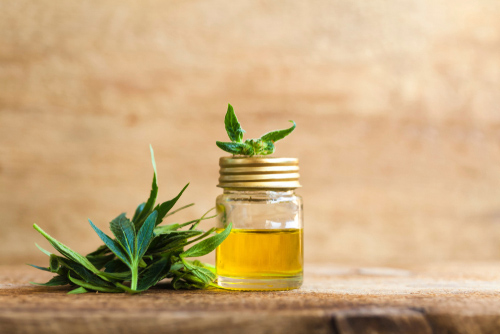
Hemp Oil Side Effects Even though exceptionally uncommon, a few people report reactions when utilizing hemp oil. These symptoms incorporate low pulse, dry mouth, moderated musings, tipsiness, and sedation.
The creature has not discovered any lethality issues with utilizing CBD. Truth be told, an examination in 2006 found that “the accessible clinical information recommend that CBD can be securely controlled over a wide dosage go.” As usual, because there aren’t long-haul well-being considerations, you ought to dependably check with your human services supplier before beginning hemp oil.
Hemp oil, derived from the seeds of the hemp plant (Cannabis sativa), has gained popularity for its potential health benefits and versatile uses in cooking, skincare, and as a dietary supplement. In addition, despite its numerous advantages, it is essential to be aware of its potential side effects to ensure safe and informed use. While generally considered safe for most people, hemp oil can cause certain side effects, some of which may be minor and temporary, while others could be more significant. This detailed exploration will delve into the various side effects associated with hemp oil.
Digestive Issues
One of the most commonly reported side effects of hemp oil is related to the digestive system. Some users experience mild gastrointestinal disturbances such as stomach cramps, diarrhea, and nausea. These symptoms are often a result of the oil’s high-fat content, as consuming large amounts of fat in a short period can overwhelm the digestive system. To minimize these effects, it is advisable to start with a small dose and gradually increase it, allowing the body to adjust.
Allergic Reactions
Although rare, allergic reactions to hemp oil can occur. Symptoms of an allergic reaction might include itching, rash, hives, swelling, or difficulty breathing. Individuals with known allergies to plants in the Cannabaceae family, which includes hemp, should exercise caution. An allergy to hemp oil could potentially cause severe anaphylactic reactions, which require immediate medical attention. To mitigate this risk, conducting a patch test before using hemp oil topically or ingesting it for the first time is a prudent step.
Blood Thinning
Hemp oil has natural anticoagulant properties, meaning it can thin the blood. This effect is beneficial for some individuals as it may reduce the risk of blood clots. However, for people who are already taking blood-thinning medications or have bleeding disorders, hemp oil can enhance the risk of bleeding complications. Such individuals should consult their healthcare provider before incorporating hemp oil into their routine to ensure it does not interfere with their existing treatment plans.
Blood Pressure Fluctuations
Another notable side effect of hemp oil is its potential impact on blood pressure. Some studies suggest that hemp oil may help lower blood pressure due to its high content of omega-3 and omega-6 fatty acids. While this can be beneficial for people with hypertension, it might pose a risk for those with low blood pressure or those taking medication to manage their blood pressure. Lowering blood pressure too much can lead to dizziness, lightheadedness, and even fainting, especially when standing up quickly.
Interaction with Medications
Hemp oil can interact with certain medications, altering their effectiveness or causing unwanted side effects. This is particularly relevant for drugs metabolized by the liver’s cytochrome P450 enzyme system. Hemp oil can inhibit the activity of these enzymes, affecting how drugs are broken down in the body. Medications such as blood thinners, antiepileptic drugs, antidepressants, and cholesterol-lowering drugs may be impacted. It is crucial for individuals on such medications to discuss hemp oil use with their healthcare provider to avoid adverse interactions.
Hormonal Imbalances of Hemp Oil Side Effects
Hemp oil contains gamma-linolenic acid (GLA), which can influence hormonal balance. While GLA has been shown to support hormonal health and alleviate symptoms of conditions like premenstrual syndrome (PMS) and menopause, excessive intake might lead to hormonal imbalances. In some cases, it could potentially affect menstrual cycles, fertility, or exacerbate hormonal disorders. It is essential to use hemp oil in moderation and monitor any changes in hormonal health, seeking medical advice if needed.
Skin Irritation and Hemp Oil Side Effects
When used topically, hemp oil is generally well-tolerated and can be beneficial for various skin conditions due to its moisturizing and anti-inflammatory properties. However, some individuals might experience skin irritation, redness, or itching. Also, this can be a result of an allergic reaction or sensitivity to the oil. It is recommended to perform a patch test before applying hemp oil extensively on the skin. If irritation occurs, discontinuing use and consulting a dermatologist is advisable.
Psychotropic Effects
Unlike its cousin, marijuana, hemp oil contains very low levels of tetrahydrocannabinol (THC), the psychoactive compound responsible for the “high” associated with cannabis. However, trace amounts of THC in hemp oil might still cause mild psychotropic effects in extremely sensitive individuals. Symptoms could include slight euphoria, altered perception, or mild anxiety. Although these effects are rare and usually very mild, it is essential to source hemp oil from reputable manufacturers who ensure the THC content is within legal and safe limits.
Fatigue and Drowsiness
Some users report feelings of fatigue or drowsiness after consuming hemp oil. This sedative effect can be beneficial for those using hemp oil to manage sleep disorders or anxiety. However, it might interfere with daily activities and alertness for others. We recommend avoiding driving or operating heavy machinery until you understand how hemp oil affects your energy levels. Adjusting the timing of consumption, such as taking it in the evening, can help mitigate these side effects.
Weight Gain
Hemp oil is calorie-dense, primarily due to its high-fat content. Regular and excessive consumption without accounting for the additional caloric intake can contribute to weight gain. For those monitoring their weight, it is essential to consider hemp oil as part of their overall dietary intake. Balancing its consumption with a healthy diet and regular exercise can help manage potential weight-related side effects.
Headaches of Hemp Oil Side Effects
Headaches are another potential side effect of hemp oil, although they are relatively uncommon. These headaches might result from sensitivity to the oil, dehydration, or interactions with other substances. Staying hydrated and moderating intake can help alleviate this issue. If headaches persist, it might be necessary to discontinue use and consult a healthcare provider to rule out any underlying causes.
Dry Mouth Hemp Oil Side Effects
Various cannabis products, including hemp oil, commonly cause dry mouth, also known as cottonmouth. This occurs because cannabinoids can affect the production of saliva. While not harmful, it can be uncomfortable. Drinking plenty of water and maintaining good oral hygiene can help manage dry mouth. Chewing sugar-free gum or consuming lozenges can also stimulate saliva production and provide relief.
Changes in Appetite
Hemp oil can influence appetite, potentially increasing or decreasing it. This effect varies among individuals and can be beneficial for those looking to manage their weight or improve nutritional intake. However, unintended changes in appetite can lead to overeating or undereating, impacting overall health and wellness. Monitoring dietary habits and making necessary adjustments can help manage this side effect.
Psychological Hemp Oil Side Effects
In rare cases, hemp oil might cause psychological effects such as anxiety or mood swings. This is more likely in individuals with a predisposition to mental health conditions or sensitivity to cannabinoids. It is crucial to start with a low dose and gradually increase it, paying attention to any changes in mood or anxiety levels. Seeking advice from a mental health professional if psychological side effects occur is important for ensuring overall well-being.
In conclusion, while hemp oil offers numerous health benefits, it is essential to be aware of its potential side effects. These can range from minor digestive issues to more significant interactions with medications and hormonal imbalances. By starting with small doses, monitoring the body’s response, and consulting healthcare providers as needed, users can minimize risks and enjoy the potential benefits of hemp oil safely.