
How to Choose a Hemp Oil Product
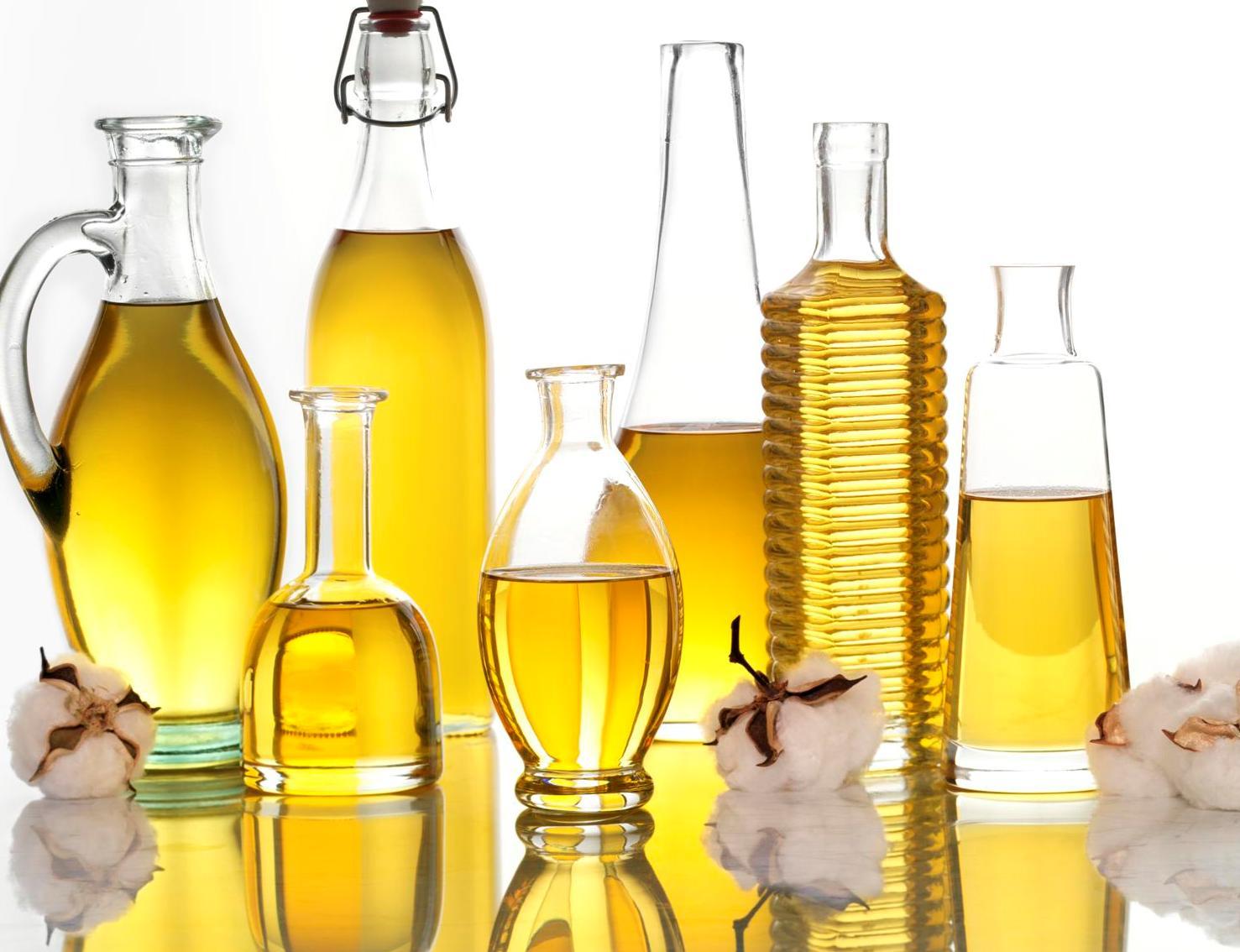
How to Choose a Hemp Oil Product to utilize, these are the criteria you should pay special mind to: The hemp plants ought to be 100 percent naturally developed to limit presentation to pesticides and other contaminants
The hemp oil ought to be removed utilizing CO2, ethanol, or olive oil extraction methods to maintain a smooth consistent process. On the off chance that choosing olive oil, ensure you store in a dull, cool place to forestall rancidity. Request an outsider declaration of investigation. This printed material will demonstrate the synthetic creation of the hemp oil and furthermore appear if there are any undesirable contaminants, for example, lethal overwhelming metals.
On the off chance that utilizing a vape pen, check to ensure propylene glycol isn’t utilized as a diminishing specialist. This synthetic, when warmed, can make formaldehyde, which has cancer-causing properties. How to Choose a Hemp Oil Product can be a complex task due to the variety of options available on the market. Each product can vary in quality, concentration, and intended use, making it essential to understand what factors to consider before making a purchase. This guide will provide a comprehensive overview of How to Choose a Hemp Oil Product for your needs, focusing on aspects such as quality, concentration, source, extraction method, intended use, and additional ingredients.
Understanding Your Needs
The first step in How to Choose a Hemp Oil Product is to understand your specific needs and how you plan to use the product. Hemp oil can be used for a variety of purposes, including dietary supplementation, skincare, pain relief, and stress reduction. Identifying your primary use will help narrow down the type of hemp oil that is best suited for you.
Quality and Purity
Quality and purity are crucial when selecting a hemp oil product. High-quality hemp oil should be free from contaminants such as pesticides, heavy metals, and solvents. One way to ensure quality is to look for products that have been third-party tested. These tests can confirm the product’s purity and the absence of harmful substances. The results are often available on the manufacturer’s website or through a QR code on the packaging.
Another indicator of quality is the certification of the hemp oil. Look for products that are certified organic, which means they are produced without synthetic pesticides or fertilizers. Organic certification can provide assurance that the hemp oil is of high quality and safe for consumption or topical use.
Source of the Hemp
The source of the hemp used to produce the oil is another important factor. Hemp plants can absorb contaminants from the soil, so it is essential to choose products made from hemp grown in clean, fertile environments. The United States, Canada, and Europe are known for having stringent regulations and high standards for hemp cultivation. Therefore, hemp oil products sourced from these regions are generally considered to be of higher quality.
Extraction Method
The extraction method used to produce hemp oil can significantly impact its quality and safety. There are several extraction methods, but the most common and preferred methods are CO2 extraction and ethanol extraction.
CO2 Extraction: This method uses carbon dioxide under high pressure and low temperatures to extract the oil. It is considered the gold standard because it preserves the purity and potency of the oil without leaving behind any harmful residues.
Ethanol Extraction: Ethanol extraction uses alcohol to extract the oil from the hemp plant. While it is effective and safe, it can sometimes leave behind trace amounts of ethanol in the final product. Ensure that the manufacturer adequately purges any residual solvents to maintain the purity of the oil.
Avoid products that use cheaper extraction methods, such as those involving harsh chemicals like butane or propane, as these can leave harmful residues in the oil.
Concentration and Dosage
Hemp oil products come in various concentrations, typically measured in milligrams (mg) of hemp extract per serving. Understanding the concentration is important to ensure you are getting the desired number of active compounds, such as cannabinoids and terpenes.
For beginners, starting with a lower concentration and gradually increasing the dosage is advisable. This approach allows you to monitor how your body responds to the hemp oil and adjust accordingly. For those using hemp oil for specific health conditions, higher concentrations may be necessary to achieve the desired effects.
Full-Spectrum vs. Broad-Spectrum vs. Isolate
Hemp oil products are categorized into three main types based on their composition: Full-spectrum, broad-spectrum, and isolate.
Full-Spectrum: Full-spectrum hemp oil contains all the naturally occurring compounds in the hemp plant, including cannabinoids, terpenes, and trace amounts of THC (less than 0.3%). This type of oil is believed to offer the most benefits due to the “entourage effect,” where all the compounds work together synergistically.
Broad-Spectrum: Broad-spectrum hemp oil also contains multiple cannabinoids and terpenes but with all traces of THC removed. This type is ideal for those who want the benefits of the entourage effect without consuming THC.
Isolate: Hemp isolate is the purest form, containing only the cannabidiol (CBD) compound without any other cannabinoids or terpenes. This type is best for those who want to avoid all other hemp compounds, including THC.
Choosing between these types depends on your personal preference, sensitivity to THC, and the specific benefits you are seeking.
Carrier Oils
Hemp oil products often use carrier oils to improve absorption and bioavailability. Common carrier oils include coconut oil (MCT oil), olive oil, and hemp seed oil. Each carrier oil has its own benefits and can affect the taste and texture of the product.
Coconut Oil (MCT Oil): Known for its easy absorption and mild taste, coconut oil is a popular carrier for hemp oil products.
Olive Oil: Rich in antioxidants and healthy fats, olive oil is another excellent carrier that adds nutritional value to the hemp oil.
Hemp Seed Oil: Using hemp seed oil as a carrier maintains the consistency of the product and provides additional omega fatty acids.
Additional Ingredients
Some hemp oil products contain additional ingredients to enhance their effects or add flavor. For example, essential oils like peppermint or lavender may be added for flavor and additional therapeutic benefits. Vitamins and other herbal extracts can also be included to provide specific health benefits.
When considering products with additional ingredients, ensure they are natural and free from artificial additives or preservatives that might diminish the quality of the hemp oil.
Brand Reputation and Reviews
Researching the brand’s reputation and reading customer reviews can provide insight into the product’s quality and effectiveness. Reputable brands often have transparent practices, provide detailed information about their products, and have positive feedback from customers.
Look for brands that are committed to quality and transparency, providing comprehensive information about their sourcing, extraction methods, and third-party testing results. Customer reviews can offer valuable firsthand accounts of the product’s effects and any potential side effects.
Price and Value
While price should not be the sole deciding factor, it is essential to consider the value you are getting for your money. Higher-priced products are often of better quality due to superior sourcing, extraction methods, and third-party testing. However, there are also affordable options that provide excellent quality.
Compare prices per milligram of hemp extract to determine the value and ensure you are getting a fair deal. Be cautious of extremely low-priced products, as they may compromise on quality or purity.
Customer Service and Return Policy
Finally, consider the customer service and return policy of the brand. A company that offers excellent customer service and a reasonable return policy shows confidence in their product and a commitment to customer satisfaction. This can be particularly important if you are trying hemp oil for the first time and want the option to return it if it does not meet your expectations.
In conclusion, choosing the right hemp oil product involves careful consideration of several factors. This includes quality, source, extraction method, concentration, and type of product. Also are additional ingredients, brand reputation, price, and customer service. By taking the time to research and understand these aspects, you can make an informed decision. This allows you to select a hemp oil product that meets your needs and provides the desired benefits.