
Types of Hemp Oil
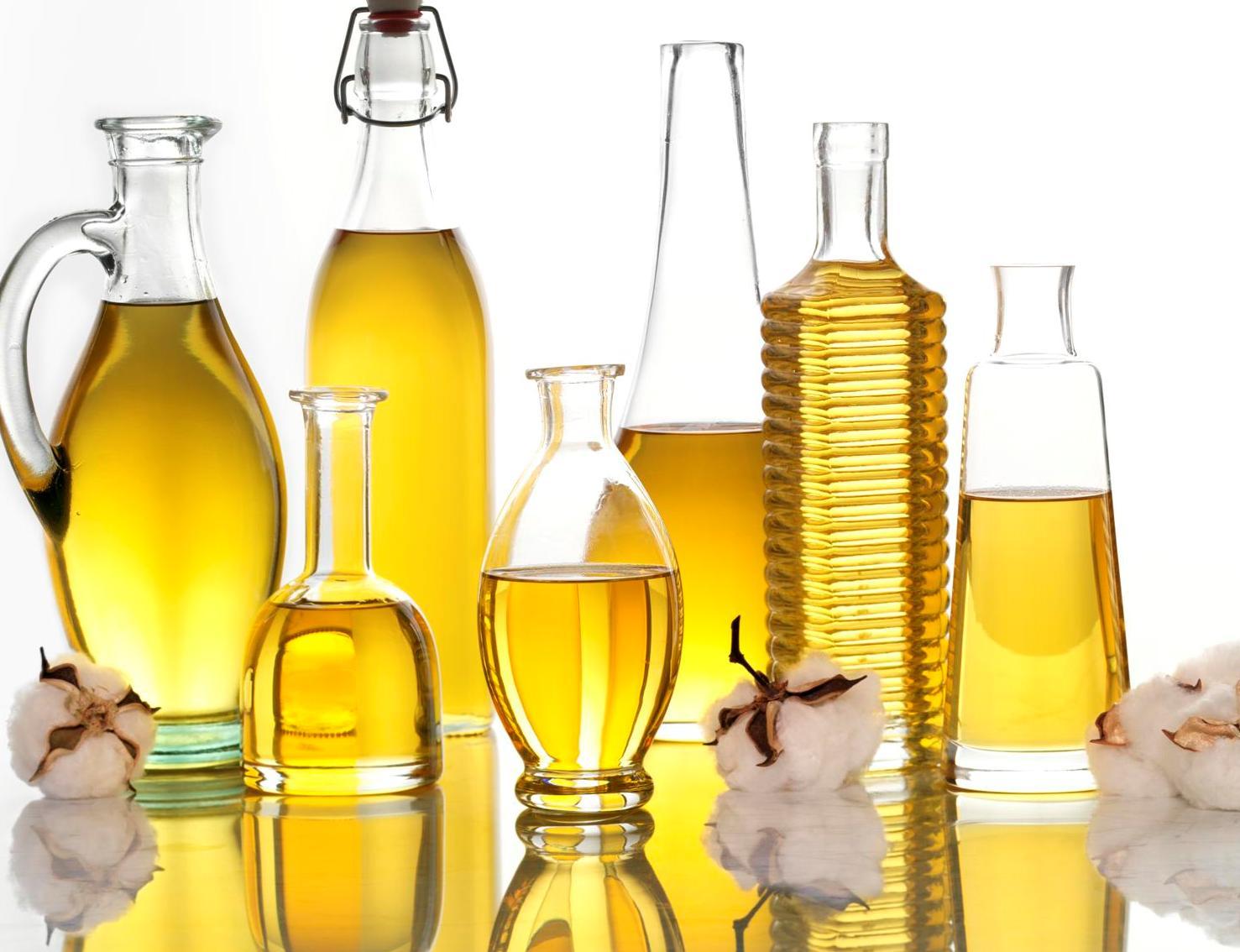
Recognizing Types of Hemp Oil with cannabis and hemp can be befuddling, so how about we make it basic. There are numerous varietals of Cannabis sativa, all of which have distinctive measures of THC and CBD. Cannabis sativa varietals that have in excess of 0.3 percent THC are generally alluded to as weed. Types of Hemp oil is any varietal of Cannabis sativa that contains under 0.3 percent THC.
Truth is stranger than fiction, Cannabis sativa and hemp are similar species! The main distinction between the two is that to be assigned as hemp, a Cannabis sativa plant must be contained under 0.3 percent THC.
Types of Hemp Oil
Hemp oil, derived from the seeds or stalks of the hemp plant (Cannabis sativa), has gained popularity due to its nutritional, therapeutic, and industrial applications. There are several types of hemp oil, each with unique characteristics, extraction methods, and uses. Understanding these differences can help consumers make informed decisions about which type of hemp oil is best suited for their needs.
Types of Hemp Oil include Hemp Seed Oil
Hemp seed oil, also known as hemp oil, is extracted from the seeds of the hemp plant. It is rich in essential fatty acids, vitamins, and minerals. This makes it a valuable addition to both the diet and skincare routines.
Nutritional Benefits
Hemp seed oil is renowned for its balanced ratio of omega-3 and omega-6 fatty acids, which are essential for maintaining heart health, reducing inflammation, and supporting brain function. It also contains gamma-linolenic acid (GLA), which may have anti-inflammatory properties. Additionally, hemp seed oil provides a good source of vitamins A, E, and D, as well as minerals like magnesium, calcium, and zinc.
Culinary Uses
In the kitchen, hemp seed oil is often used as a salad dressing or added to smoothies due to its nutty flavor. However, it should not be used for high-temperature cooking because its nutritional properties can be degraded by heat.
Skincare and Cosmetics
Hemp seed oil is a popular ingredient in skincare products due to its moisturizing and anti-inflammatory properties. It can help soothe dry skin, reduce acne, and improve overall skin health. Its light texture makes it suitable for direct application to the skin or as a carrier oil for essential oils.
CBD Oil are a Types of Hemp Oil
CBD oil, or cannabidiol oil, is extracted from the flowers, leaves, and stalks of the hemp plant. It is known for its potential therapeutic effects, primarily due to its high concentration of CBD, a non-psychoactive cannabinoid.
Health Benefits
CBD oil is widely used for its potential health benefits, including pain relief, anxiety reduction, and anti-inflammatory effects. Research suggests that CBD may interact with the endocannabinoid system in the body, which regulates various physiological processes such as mood, pain perception, and immune function. CBD oil is also being studied for its potential benefits in managing conditions like epilepsy, multiple sclerosis, and chronic pain.
Forms of CBD Oil
CBD oil is available in various forms, including tinctures, capsules, edibles, and topical applications. Tinctures are taken sublingually (under the tongue) for quick absorption, while capsules and edibles offer a convenient way to consume CBD with longer-lasting effects. Topical CBD products, such as creams and balms, are applied directly to the skin for localized relief.
Full-Spectrum Hemp Oil
Full-spectrum hemp oil contains a wide range of cannabinoids, terpenes, and other beneficial compounds found in the hemp plant, including trace amounts of THC (tetrahydrocannabinol), the psychoactive component of cannabis. The presence of multiple cannabinoids creates what is known as the “entourage effect,” where the compounds work synergistically to enhance their therapeutic effects.
Comprehensive Benefits
Full-spectrum hemp oil is valued for its comprehensive health benefits, which may include enhanced pain relief, reduced anxiety, and improved sleep quality. The trace amounts of THC in full-spectrum products are typically not enough to produce psychoactive effects but may contribute to the overall efficacy of the oil.
Uses and Applications
Full-spectrum hemp oil can be used in much the same way as CBD oil, with options for oral consumption, topical application, and incorporation into food and beverages. It is often preferred by those seeking a holistic approach to wellness, leveraging the full range of hemp’s natural compounds.
Broad-Spectrum Hemp Oil
Broad-spectrum hemp oil is similar to full-spectrum hemp oil but with all traces of THC removed. This makes it an attractive option for individuals who want to avoid THC for personal or legal reasons while still benefiting from the entourage effect provided by other cannabinoids and terpenes.
THC-Free Relief
Broad-spectrum are types of hemp oil offers a THC-free alternative that still provides a rich profile of cannabinoids and terpenes. It is particularly popular among people who undergo regular drug testing or are sensitive to THC.
Versatile Uses
Like full-spectrum and CBD oil, broad-spectrum hemp oil is available in various forms, including tinctures, capsules, edibles, and topicals. It can be used to address a range of health issues, from anxiety and stress to pain and inflammation.
Isolate Hemp Oil
Isolate hemp oil contains pure CBD, with all other cannabinoids, terpenes, and plant compounds removed. This results in a highly concentrated product that delivers CBD in its most purified form.
Pure CBD Benefits
Isolate hemp oil is ideal for those who want to experience the benefits of CBD without any other compounds. It is odorless and tasteless, making it easy to incorporate into food, beverages, or skincare products. Isolate hemp oil is also free of THC, ensuring no psychoactive effects.
Precision and Versatility
The purity of CBD isolate allows for precise dosing, making it suitable for individuals who require specific amounts of CBD for their health conditions. It can be taken sublingually, mixed with a carrier oil, or added to recipes.
Raw Hemp Oil
Raw hemp oil is unrefined and contains the natural cannabinoids, terpenes, and chlorophyll present in the hemp plant. It is often dark green and has a strong, earthy taste due to the presence of chlorophyll.
Natural Composition
Raw hemp oil is appreciated for its natural composition, retaining the full spectrum of cannabinoids, including CBDa (cannabidiolic acid), which is the acidic precursor to CBD. Some believe that the raw form of hemp oil offers additional health benefits due to the presence of these natural compounds.
Consumption Methods
Raw hemp oil can be taken sublingually or added to food and beverages. It is also used in some skincare products for its natural, unprocessed qualities.
CBG Oil
CBG oil, or cannabigerol oil, is a relatively new addition to the hemp oil market. Also, CBG is often referred to as the “mother of all cannabinoids” because other cannabinoids, including CBD and THC, are derived from cannabigerolic acid (CBGa) during the plant’s growth.
Emerging Benefits
Early research suggests that CBG may have potential therapeutic benefits, including anti-inflammatory, antibacterial, and neuroprotective effects. CBG oil is often used alongside other cannabinoid oils to provide a broader range of health benefits.
Unique Properties
CBG oil is available in tinctures, capsules, and topicals. Its unique properties and emerging research make it an exciting option for those looking to explore the full potential of hemp’s therapeutic capabilities.
Conclusion
Hemp oil comes in various forms, each offering distinct benefits and applications. Whether you seek the nutritional advantages of hemp seed oil or the therapeutic potential of CBD oil. The comprehensive effects of full-spectrum or broad-spectrum oils and the purity of isolate hemp oil. Other effects the natural composition of raw hemp oil, or the emerging benefits of CBG oil, there are types of hemp oil to suit your needs. Understanding the differences among these products can help you make an informed decision. An informed decision maximizes the benefits of hemp oil in your health and wellness routine.