
Trade Shows
Trade Shows for SRS International is an active member of the biodiesel community and takes pride in attending all national and international trade shows.
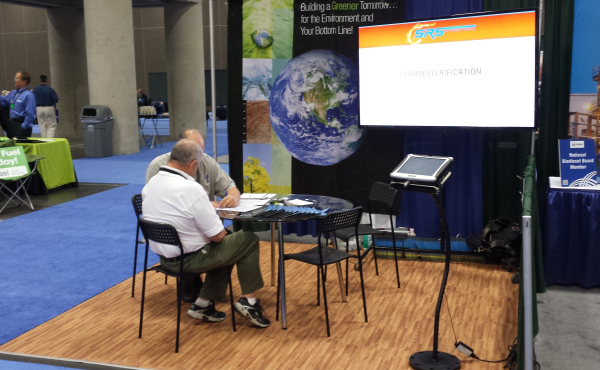
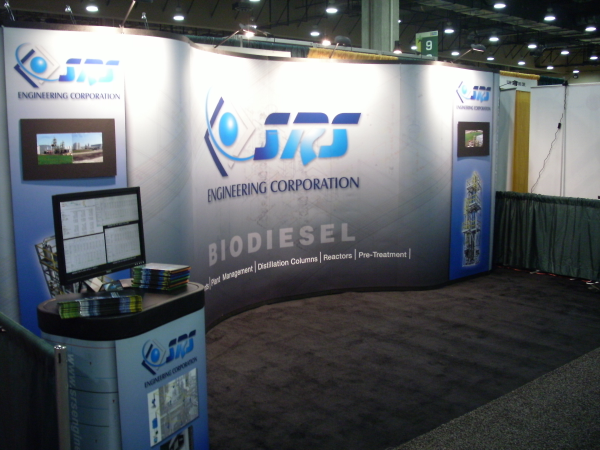
NBB Conference – San Diego, CA NBB Conference – Grapevine, TX
The Biofuels Trade Shows are a premier global event that focuses specifically on the biofuels industry, gathering innovators, producers, researchers, government officials, investors, and environmental advocates. In addition, this multi-day event highlights the latest developments in biofuel technologies, sustainable feedstocks, and production methods, creating a platform for networking, deal-making, and collaboration in the biofuels market. Finally, with biofuels gaining increasing significance as a renewable energy solution, the trade show is a central hub for showcasing advancements in biodiesel, ethanol, biogas, advanced biofuels, and algae-based fuels.
Event Highlights
Exhibition Hall and Product Showcases
The central feature of the trade shows is an expansive exhibition hall where companies, from established biofuel producers to startups, exhibit their products, technologies, and services. In addition, exhibitors demonstrate advanced biofuel production systems, feedstock processing equipment, and the latest innovations in biofuel storage, transportation, and distribution. Finally, visitors experience hands-on demonstrations of technologies that convert feedstocks like agricultural waste, algae, and non-food crops into biofuels, with a special focus on eco-friendly production processes that reduce carbon emissions.
The exhibition hall is organized into specialized zones, such as biodiesel, ethanol, and biogas, allowing attendees to navigate the diverse biofuel landscape easily. Finally, each section showcases the latest equipment, catalysts, and processing technologies specific to each fuel type, giving visitors insight into the full biofuel supply chain.
Conference Sessions and Industry Insights
The trade show features a robust agenda of conference sessions led by experts in biofuel production, policy, and investment. These sessions cover a wide range of topics:
- Biofuel Production Technology: Presentations on the latest advances in bio-refining, enzyme technology, and efficient conversion processes for transforming biomass into biofuel.
- Sustainable Feedstock Development: Discussions around sustainable and cost-effective feedstocks, including cellulosic biomass, algae, agricultural residues, and purpose-grown energy crops.
- Policy and Regulatory Frameworks: Sessions on biofuel mandates, carbon offset programs, incentives, and how emerging regulations impact biofuel production and adoption.
- Global Market Outlook: Analysts provide insights into biofuel demand, pricing, and investment trends, offering a global perspective on how biofuels fit within the renewable energy transition.
Biofuel Vehicle Demonstration Zone
The trade show includes a dedicated area where biofuel-powered vehicles are displayed, showcasing the practical applications of biofuels in transportation. In addition, visitors can explore and test-drive vehicles, including biodiesel trucks, ethanol-powered cars, and biogas-fueled buses, and learn about the benefits of biofuels in reducing emissions. Finally, vehicle manufacturers discuss engine modifications that optimize biofuel use and address challenges in scaling biofuel-compatible fleets.
Hands-On Workshops and Training Labs at Trade Shows
Workshops offer attendees the chance to engage in hands-on learning experiences related to biofuel production, quality testing, and carbon footprint assessment. Led by industry experts, these sessions delve into technical aspects of biofuel processing and offer practical skills like blending biofuels, testing biofuel quality, and measuring greenhouse gas emissions reductions.
Workshops might include:
- Biofuel Production Techniques: Live demonstrations of producing biodiesel and ethanol from different feedstocks, showcasing catalytic processes, refining techniques, and quality control.
- Feedstock Management and Sourcing: Best practices for sourcing sustainable feedstocks, ensuring low-cost, high-yield production, and maintaining environmental integrity.
- Carbon Accounting and Emissions Tracking: Training on tracking and reporting carbon offsets and understanding the role of biofuels in achieving climate targets.
Startup Pavilion and Innovation Showcase at Trade Shows
The Startup Pavilion is a dynamic space dedicated to emerging companies and innovators with groundbreaking technologies in biofuel production and sustainability. Startups present novel approaches to biofuel generation, including low-cost conversion processes, algae-based fuel extraction, and high-efficiency enzyme technologies. Finally, visitors can explore new business models, such as biofuel-as-a-service, waste-to-fuel systems, and integrated bio-refineries.
The Innovation Showcase is an area where companies demonstrate prototypes and early-stage technologies that could revolutionize biofuel production. In addition, this showcase includes algae farms, next-generation feedstocks, modular bio-refineries, and AI-powered tools for optimizing production. Winning innovations receive awards and visibility, helping to attract interest from investors and industry stakeholders.
Investor Forum and Funding Opportunities at Trade Shows
A Biofuels Investor Forum takes place alongside the trade show, bringing together venture capitalists, green energy funds, and financial institutions interested in the biofuels sector. In addition, the forum includes panel discussions on investment opportunities, risk management, and project financing for biofuel companies, providing valuable insights for both investors and entrepreneurs.
Additionally, a Pitch Competition allows startups to present their business ideas to potential investors. Judges evaluate pitches on scalability, sustainability, and market potential, offering funding opportunities and strategic partnerships to promising startups. In addition, winners gain financial backing, mentorship, and media coverage, which can significantly boost their visibility and growth potential.
Networking and Roundtables
The trade show offers numerous opportunities for networking and collaboration, including industry-specific roundtables, one-on-one matchmaking sessions, and informal networking lounges. In addition, roundtables cover topics like international trade in biofuels, scaling production in developing markets, and strategies for overcoming logistical barriers in biofuel distribution.
Attendees can also participate in sector-specific networking events to connect with other professionals, from feedstock suppliers and technology providers to regulatory experts and environmental advocates. This networking space fosters connections that can lead to new partnerships, investment opportunities, and collaborative projects across the biofuels ecosystem.
Industry Awards and Recognition Ceremony
The final day of the trade show features an award ceremony that recognizes companies and individuals who have made substantial contributions to advancing biofuel technology, sustainability, and market growth. In addition, award categories may include “Best Biofuel Technology,” “Most Sustainable Feedstock Innovation,” “Top Environmental Impact,” and “Startup of the Year.” Finally, winners are highlighted in media coverage, helping to boost their brand recognition and credibility within the industry.
Closing Keynote and Future Vision at Trade Shows
The event concludes with a closing keynote from a prominent industry leader or environmental advocate who presents a forward-looking vision for the biofuels industry. In addition, this keynote discusses the challenges and opportunities that lie ahead for biofuels, such as scaling sustainable feedstocks, advancing technological innovations, and integrating biofuels into global energy markets. Finally, the closing speech inspires attendees with actionable insights on how biofuels can play a key role in reducing carbon emissions, fostering energy independence, and achieving climate goals.
Impact of the Biofuels Trade Shows
.JPG) NBB Conference – Grapevine, TX
NBB Conference – Grapevine, TX
The Biofuels Trade Shows serve as a crucial meeting point for advancing the biofuel industry, accelerating the development of sustainable fuels, and fostering global collaboration on climate-focused energy solutions. In addition, by bringing together diverse stakeholders under one roof, the trade show catalyzes the adoption of biofuels as a viable, scalable, and environmentally responsible alternative to fossil fuels. Finally, attendees leave with valuable insights, new business contacts, and a deeper understanding of biofuels’ role in building a sustainable energy future.
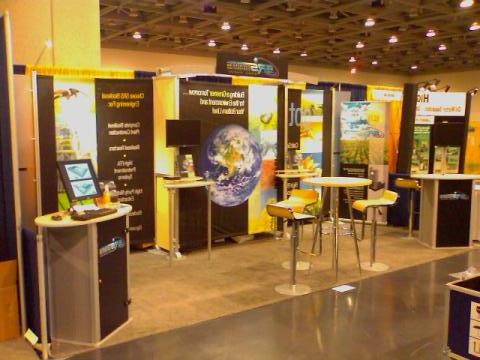
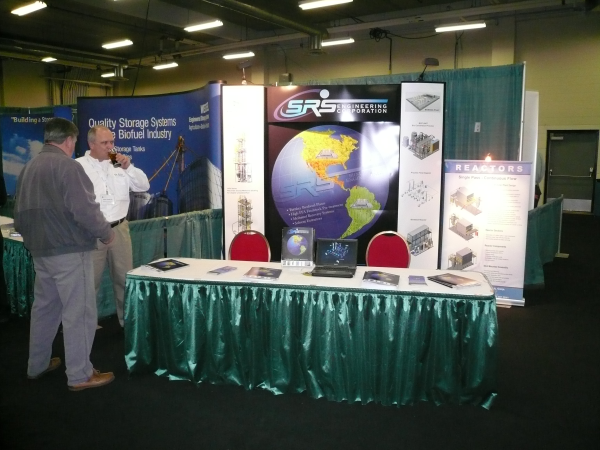
NBB Conference – San Francisco, CA BBI Conference – Regina, Canada

Biofuels Trade Show – San Antonio, TX
The International Renewable Fuels Trade Show is an annual, high-profile event that gathers industry professionals, government officials, innovators, investors, and academics to showcase and discuss the latest advancements in renewable fuels. In addition, this multi-day event takes place in a major convention center and features exhibition halls, interactive workshops, networking sessions, and keynote presentations by experts in the renewable fuels industry. Finally, the trade show covers all aspects of renewable fuels, including biodiesel, ethanol, hydrogen, synthetic fuels, and advanced biofuels, making it a premier destination for anyone involved in the renewable energy market.
Key Features of the Trade Show
Exhibition Halls and Product Showcases
The heart of the trade show is the extensive exhibition hall, where leading companies, startups, and research institutions present their products, technologies, and innovations. The hall is divided into zones for each type of renewable fuel (such as biofuels, hydrogen, and synthetic fuels), enabling attendees to explore specific areas of interest. In addition, booths are equipped with interactive displays, model demonstrations, and presentations on the environmental and economic benefits of each product. Major industry players unveil new fuel formulations, processing technologies, and fuel distribution solutions aimed at reducing carbon emissions and achieving cost-effective scalability.
Exhibitors include manufacturers of biofuel production equipment, producers of renewable fuels, companies offering fuel storage and transportation solutions, and digital technology firms showcasing software for optimizing fuel production and distribution. Many companies offer hands-on demonstrations of their latest technology, allowing attendees to witness firsthand how renewable fuels are created, stored, and utilized.
Renewable Fuel Vehicle Zone
A dedicated vehicle zone features prototype and commercial vehicles powered by renewable fuels, including biodiesel trucks, ethanol-fueled cars, hydrogen-powered buses, and fuel-cell electric vehicles. Automakers and researchers present their latest models and explain how these vehicles contribute to lower greenhouse gas emissions and reduce fossil fuel reliance. In addition, this area allows visitors to test-drive renewable fuel vehicles or view demonstrations of their performance and fuel efficiency, helping to showcase the viability of renewable fuels in the transportation sector.
Conferences and Technical Sessions
The trade show includes an extensive lineup of technical sessions and conferences, where industry leaders, policymakers, and academics present research findings, case studies, and market analyses. Sessions are organized around topics such as renewable fuel innovations, production technology, government policies, global trade of biofuels, and environmental impact. Finally, these conferences offer insights into the latest scientific breakthroughs, investment opportunities, and market trends.
Specific session themes might include:
- Advanced Biofuels and Synthetic Fuels: Exploring breakthroughs in next-generation biofuels, feedstock optimization, and synthetic fuels derived from carbon capture processes.
- Hydrogen Economy: Understanding the challenges and opportunities of hydrogen fuel production, storage, and distribution for heavy industry and transportation.
- Circular Economy and Waste-to-Fuel: Examining how waste materials, such as agricultural residue, plastic, and food waste, are converted into renewable fuels.
- Policy and Regulation Impact on Renewables: Analyzing how new and emerging policies impact the renewable fuels industry and discussing potential regulatory frameworks for accelerating the adoption of green fuels.
Interactive Workshops and Hands-On Labs
To deepen attendees’ understanding, the trade show hosts hands-on workshops and labs led by experts. These workshops cover practical skills like biodiesel production processes, the handling of hydrogen fuel, and calculating carbon offsets for renewable fuel use. Furthermore, attendees can participate in labs that delve into biofuel chemistry, fuel quality testing, emissions analysis, and even business modeling for new renewable fuel ventures.
Workshops for business development include:
- Investment in Renewable Fuel Projects: Educating attendees on investment trends, risk assessment, and funding sources for renewable fuel infrastructure projects.
- Supply Chain Optimization for Biofuels: Addressing logistics and storage challenges, as well as strategies for improving the efficiency of renewable fuel supply chains.
Policy and Trade Panels
Panels feature government officials, trade representatives, and regulatory experts discussing policy impacts on renewable fuels, international trade barriers, and global market trends. In addition, topics include incentives for green fuel production, import-export regulations, and potential trade agreements to foster global renewable fuel adoption. Finally, these panels are crucial for stakeholders seeking insights into navigating the regulatory landscape and understanding global fuel trade dynamics.
Investor Summit and Startup Pitch Competition
A dedicated Investor Summit brings together venture capitalists, private equity firms, and government funding agencies to explore the latest investment opportunities in renewable fuels. In addition, the summit includes presentations on the financial outlook of the renewable fuels market, the profitability of specific fuel types, and the scalability of production processes. Investors meet with company representatives to discuss potential partnerships and investments.
The Startup Pitch Competition is an exciting event where emerging companies pitch innovative renewable fuel ideas to a panel of investors and industry experts. In addition, startups often present groundbreaking technologies, such as novel fuel production methods, alternative feedstocks, or AI-driven solutions for optimizing biofuel production. Winners receive funding opportunities, mentorship, and media exposure, enhancing their prospects in the competitive renewable fuels market.
Networking Events and Roundtables
The trade show hosts a variety of networking sessions, including roundtable discussions, sector-specific meet-and-greets, and one-on-one matchmaking services. In addition, these sessions allow attendees to make valuable connections, discuss potential collaborations, and share insights with other professionals in the industry. Topics at roundtables might range from regional renewable fuel production challenges to strategies for developing public-private partnerships in green technology.
Award Ceremony and Innovation Showcase
The final day features an award ceremony recognizing companies and individuals who have made significant contributions to the renewable fuels industry. In addition, awards may be given for categories such as “Best New Technology,” “Environmental Impact,” “Most Innovative Feedstock Use,” and “Startup of the Year.” The award ceremony provides positive media coverage and highlights pioneering advancements, inspiring other players in the field.
The Innovation Showcase gives attendees a last look at cutting-edge technologies and products that hold the potential to transform the industry. This showcase focuses on advancements in fuel production efficiency, sustainability, and compatibility with existing infrastructure.
Future Vision and Closing Keynote
The trade show ends with a closing keynote from a prominent figure in renewable energy who provides a future outlook for renewable fuels. The keynote emphasizes emerging trends, highlights major takeaways from the event, and sets a roadmap for the industry’s evolution, such as projected advances in hydrogen fuel, biorefineries, and low-carbon fuel standards. This vision for the future underscores the trade show’s mission to accelerate the transition to cleaner energy sources and support global efforts in reducing greenhouse gas emissions.
In summary, the International Renewable Fuels Trade Show is a comprehensive event dedicated to advancing the renewable fuels industry through knowledge-sharing, technology showcases, networking, and investment opportunities. It serves as a vital platform for driving innovation, addressing industry challenges, and building a sustainable future powered by renewable energy sources.