
Mechanical Engineering Services
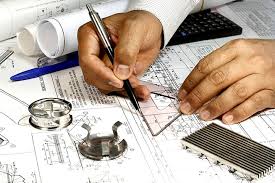
Mechanical Engineering Services: A Comprehensive Overview
Mechanical engineering is a broad field of engineering that involves the design, analysis, manufacturing, and maintenance of mechanical systems. It encompasses a wide range of industries and applications, from energy systems and automotive engineering to HVAC (heating, ventilation, and air conditioning) systems and industrial machinery. Mechanical engineering services refer to the professional expertise provided by mechanical engineers to conceptualize, develop, and maintain systems and components that use mechanical forces and energy to perform a variety of functions.
Design and Development of Mechanical Systems
One of the primary services provided by mechanical engineering firms is the design and development of mechanical systems. This includes everything from simple components like gears and fasteners to complex systems like turbines, engines, and robotics.
Mechanical engineers begin the design process by identifying the specific needs and requirements of a project. This involves gathering information from the client, assessing the operational environment, and determining the functional goals of the system. Once these factors are understood, engineers use advanced computer-aided design (CAD) software to create detailed models and simulations of the system or component.
Mechanical design services typically include:
- Concept Development: Engineers brainstorm and develop conceptual ideas based on the client’s needs, creating initial sketches and models that explore different design approaches.
- Detailed Design: After selecting a concept, engineers refine the design by creating detailed drawings and CAD models that incorporate specific materials, dimensions, tolerances, and manufacturing processes.
- Simulation and Testing: To ensure that the design will perform as intended, mechanical engineers conduct simulations and finite element analysis (FEA) to evaluate stress, heat distribution, vibrations, and other performance characteristics.
- Prototype Development: For many projects, a prototype is built and tested in real-world conditions to validate the design before full-scale production begins.
Mechanical engineering design services are crucial in industries such as automotive, aerospace, manufacturing, and energy, where the performance, reliability, and efficiency of mechanical systems are paramount.
HVAC Systems and Building Services Engineering
Another key area of mechanical engineering services is in the design, installation, and maintenance of HVAC systems in residential, commercial, and industrial buildings. HVAC engineers ensure that buildings maintain comfortable temperature and humidity levels while optimizing energy use.
In HVAC engineering, services often include:
- System Design: Engineers design heating, ventilation, and cooling systems tailored to the size, usage, and occupancy of a building. They consider factors such as air quality, energy efficiency, and local climate.
- Energy Analysis: Mechanical engineers perform energy assessments to ensure that HVAC systems operate efficiently. They recommend equipment and system configurations that minimize energy consumption and environmental impact.
- Installation Supervision: Engineers may oversee the installation of HVAC systems, ensuring that components like ducts, fans, heat exchangers, and boilers are properly installed and meet safety standards.
- Maintenance and Optimization: Engineers provide ongoing services to ensure HVAC systems remain operational and efficient. This includes regular inspections, troubleshooting, and upgrading older systems to meet modern energy efficiency standards.
In addition to HVAC systems, mechanical engineers also provide services related to plumbing, fire protection systems, and water supply within buildings.
Product Development and Manufacturing Support
Mechanical engineering services are vital in the field of product development and manufacturing. Engineers work closely with manufacturers to develop new products, improve existing ones, and optimize manufacturing processes.
The product development process generally includes the following services:
- Conceptualization and Feasibility Studies: Engineers assess the feasibility of new product ideas, evaluating technical constraints, material choices, and manufacturing processes.
- Material Selection: Mechanical engineers recommend appropriate materials based on the product’s performance requirements, manufacturing processes, and environmental factors.
- Production Tooling and Automation: Engineers design custom tooling, jigs, and fixtures used in manufacturing. They also develop automated systems, including robotic assembly lines, to increase production efficiency.
- Testing and Quality Assurance: Mechanical engineers develop testing protocols to verify that products meet performance, safety, and quality standards. This often involves life cycle testing, stress testing, and failure analysis to ensure the product’s reliability.
- Process Optimization: In manufacturing facilities, mechanical engineers help optimize production processes by reducing waste, improving workflow, and enhancing machine performance through predictive maintenance.
These services are essential in industries such as consumer electronics, automotive, medical devices, and heavy machinery, where high-quality manufacturing is critical to success.
Energy and Power Systems Engineering
Mechanical engineering services also play a significant role in the energy and power sector. Engineers in this field focus on designing, analyzing, and improving energy systems, including power generation, renewable energy technologies, and energy-efficient systems for industrial processes.
Key services in this area include:
- Power Plant Design and Optimization: Mechanical engineers design power plants that generate electricity using various energy sources such as fossil fuels, nuclear energy, or renewable energy (solar, wind, hydro). They also work on optimizing existing plants to improve efficiency and reduce emissions.
- Renewable Energy Systems: Engineers design systems for harnessing renewable energy, such as wind turbines, solar panels, and geothermal systems. They are responsible for assessing site conditions, determining system capacity, and ensuring that energy systems meet regulatory and environmental standards.
- Energy Audits and Efficiency Solutions: Mechanical engineers perform energy audits of industrial plants, commercial buildings, and other facilities to identify opportunities for reducing energy consumption. Based on these audits, they design energy-efficient solutions, such as heat recovery systems, optimized HVAC designs, and upgraded insulation materials.
These energy-focused mechanical engineering services are particularly important as industries and governments around the world seek to reduce carbon emissions and improve the sustainability of energy production.
Mechanical Failure Analysis and Maintenance Engineering
One of the critical areas where mechanical engineering services are highly sought after is in failure analysis and maintenance engineering. These services are essential for industries where equipment reliability and safety are non-negotiable, such as aerospace, automotive, and manufacturing.
Mechanical failure analysis services include:
- Root Cause Analysis (RCA): When a mechanical system or component fails, engineers perform a thorough analysis to determine the root cause of the failure. This process may involve physical inspections, laboratory testing, and simulations to understand why the failure occurred.
- Material Testing: Mechanical engineers test materials to determine whether degradation, fatigue, or other material properties contributed to the failure.
- Recommendations for Prevention: Based on the results of the failure analysis, engineers provide recommendations for preventing future failures. This may include design changes, material substitutions, improved manufacturing processes, or more robust maintenance protocols.
Maintenance engineering services focus on preventing mechanical failures through proactive maintenance strategies:
- Predictive Maintenance: Using data from sensors and condition-monitoring tools, engineers predict when machinery or equipment is likely to fail, allowing for repairs to be scheduled before a breakdown occurs.
- Preventive Maintenance: Engineers develop regular maintenance schedules based on the equipment’s operating conditions and usage patterns, ensuring that systems are inspected, lubricated, and maintained to prevent premature wear and tear.
By offering these failure analysis and maintenance services, mechanical engineers help industries avoid costly downtime, improve equipment lifespan, and ensure the safety of operators and employees.
Thermal Engineering and Fluid Dynamics
Another major area of mechanical engineering services is thermal engineering and fluid dynamics, which are essential in systems where heat transfer and fluid flow are critical to the system’s function.
Services in thermal and fluid dynamics include:
- Heat Exchanger Design: Engineers design heat exchangers that transfer heat between fluids, such as in boilers, air conditioning units, and refrigeration systems. They ensure these systems operate efficiently and safely.
- Cooling and Ventilation Systems: Mechanical engineers design systems for cooling and ventilating industrial equipment and processes. These services are critical in industries such as data centers, power plants, and manufacturing.
- Fluid Flow Analysis: Using computational fluid dynamics (CFD) simulations, engineers analyze the flow of liquids and gases in systems like pipelines, pumps, and turbines. This helps optimize system performance, prevent blockages, and improve energy efficiency.
Conclusion: A Diverse Range of Mechanical Engineering Services
Mechanical engineering services encompass a broad range of technical expertise and support across numerous industries. From designing sophisticated mechanical systems and optimizing energy usage to ensuring the reliability of industrial equipment, mechanical engineers provide invaluable services that drive innovation, improve efficiency, and enhance safety across the globe. Whether in product development, HVAC systems, power generation, or failure analysis, mechanical engineering services are essential for advancing modern technology and maintaining the infrastructure that powers today’s industries.
Excludes California