
What Types Of Oils Need Distillation
Biodiesel Feedstocks & Distillation
Yellow Grease, Animal Fats, and Waste Vegetable Oil (WVO) feedstocks contain odors and impurities that require removal during the distillation process. Similarly, treated oil feedstocks like Canola (Rapeseed), Palm, and Jatropha have a peculiar odor that must be eliminated through distillation. Biodiesel produced from various feedstocks varies in color depending on the oil source. In all cases, distillation yields clear distillate, though soluble solids and high-boiling impurities may remain in the bottom. The final biodiesel color is not always crystal clear, depending on the feedstock used. Decolorization is important, as biodiesel tends to darken during storage due to oxidation. Antioxidants are added to increase shelf life.
Common Biodiesel Feedstocks
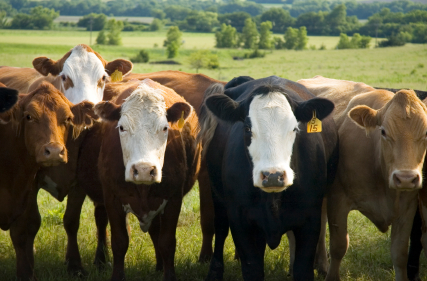
Animal Fats
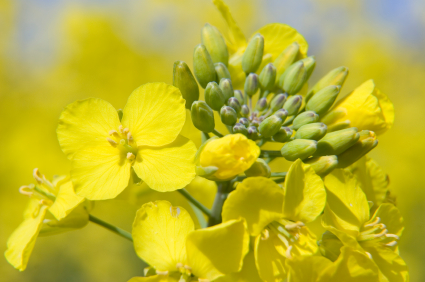
Canola (Rapeseed)
.jpg)
Jatropha
.jpg)
Palm
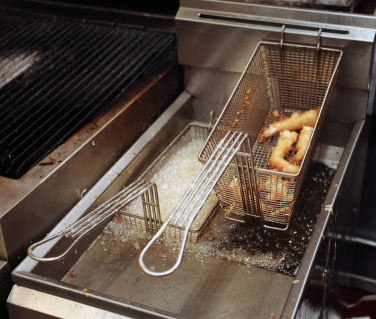
Waste Vegetable Oil
How Distillation Works for Biodiesel
During the transesterification process, sodium methylate is added. Traces remain along with unreacted oil, mono- and diglycerides, metals, and other heavy contaminants. These must be removed to meet ASTM specifications.
After transesterification, sodium hydroxide, water, and soap form. These traces persist after physical separation or washing/polishing. Distillation removes them completely. Any water present in biodiesel can hydrolyze long-chain free fatty acids, causing the acid value to increase during storage. Water content cannot exceed 500 ppm. Biodiesel distillation helps achieve this limit reliably.
For information on cold soak filtration and biodiesel distillation, call us today at (800) 497-5841 or email us at sales@srsintl.com.
Printable PDF Version: View PDF

Also check out, “Biodiesel Distillation“